BY OSCAR TUSQUETS BLANCA
Simplex Chair
Introducing Simplex, Oscar Tusquets' Latest Chair
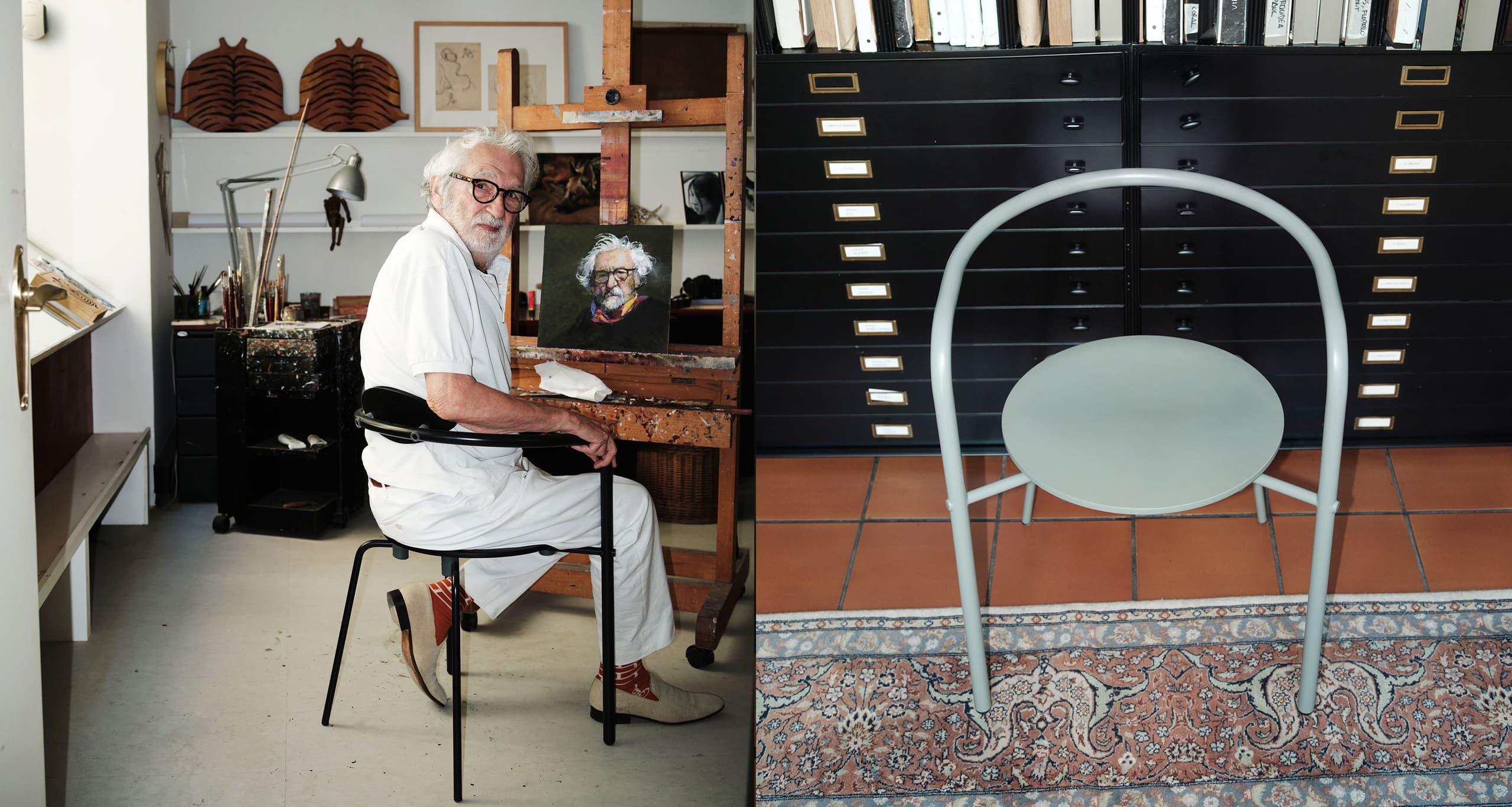
More than fifty years after co-founding BD, Oscar Tusquets now releases one of his most reduced chairs to date. To understand how Simplex came to be, we sat down with Tusquets at his home in Barcelona to discuss the ideas, references and design decisions behind the project.
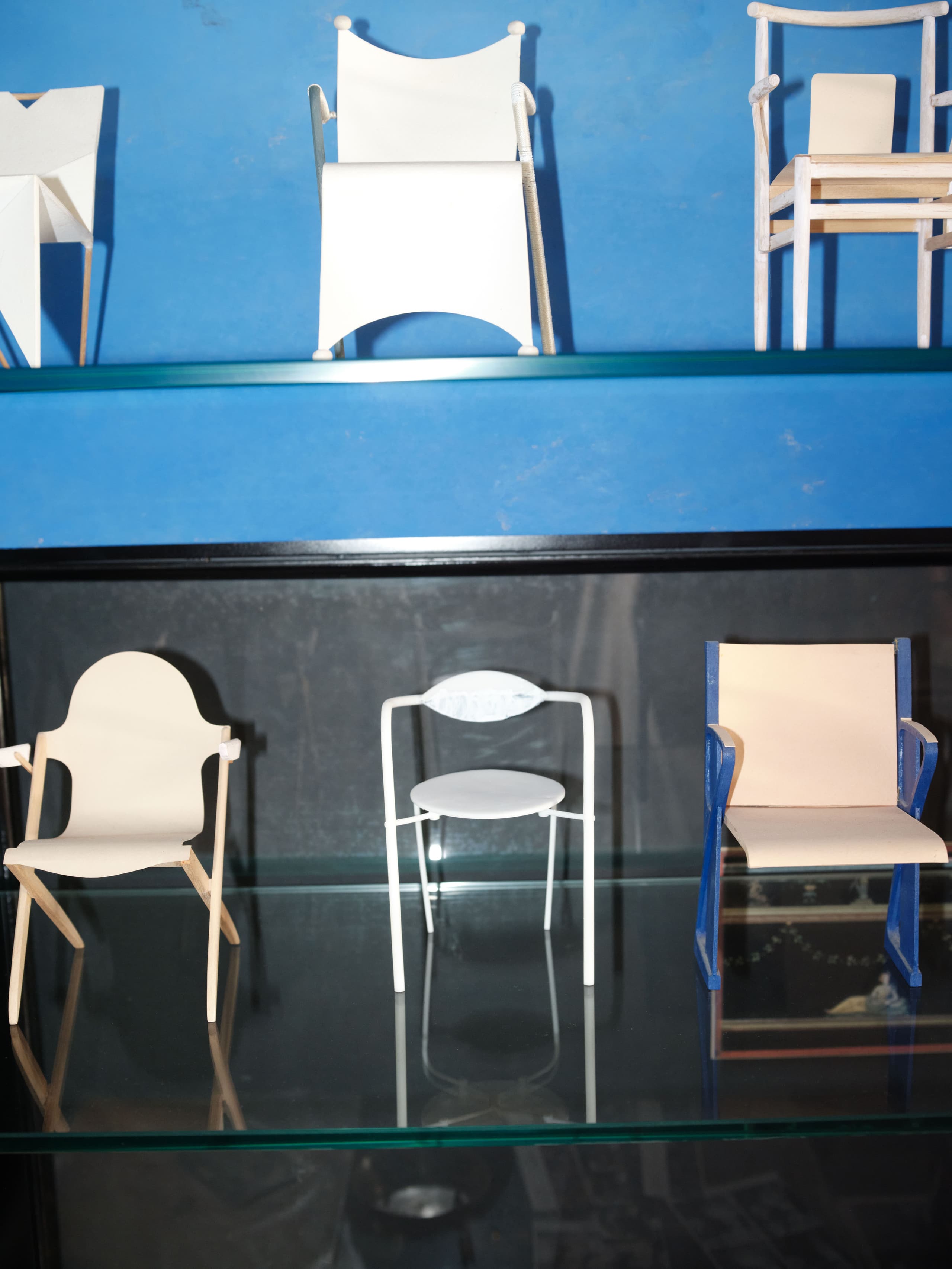
“Mi idea fue: voy a hacer una silla muy universal.”
(My idea was: I'm going to create a very universal chair.)
— Oscar Tusquets
Simplex began with a clear ambition: to create a chair that could move easily between environments while remaining lightweight, stackable and reduced to only what was necessary. From beginning to end, the project was approached as an exercise in reduction. Every line, joint and material had to justify its existence. For Tusquets, simplicity was never the absence of decisions. If anything, the opposite was true: the fewer elements a chair contains, the more precise each decision becomes.
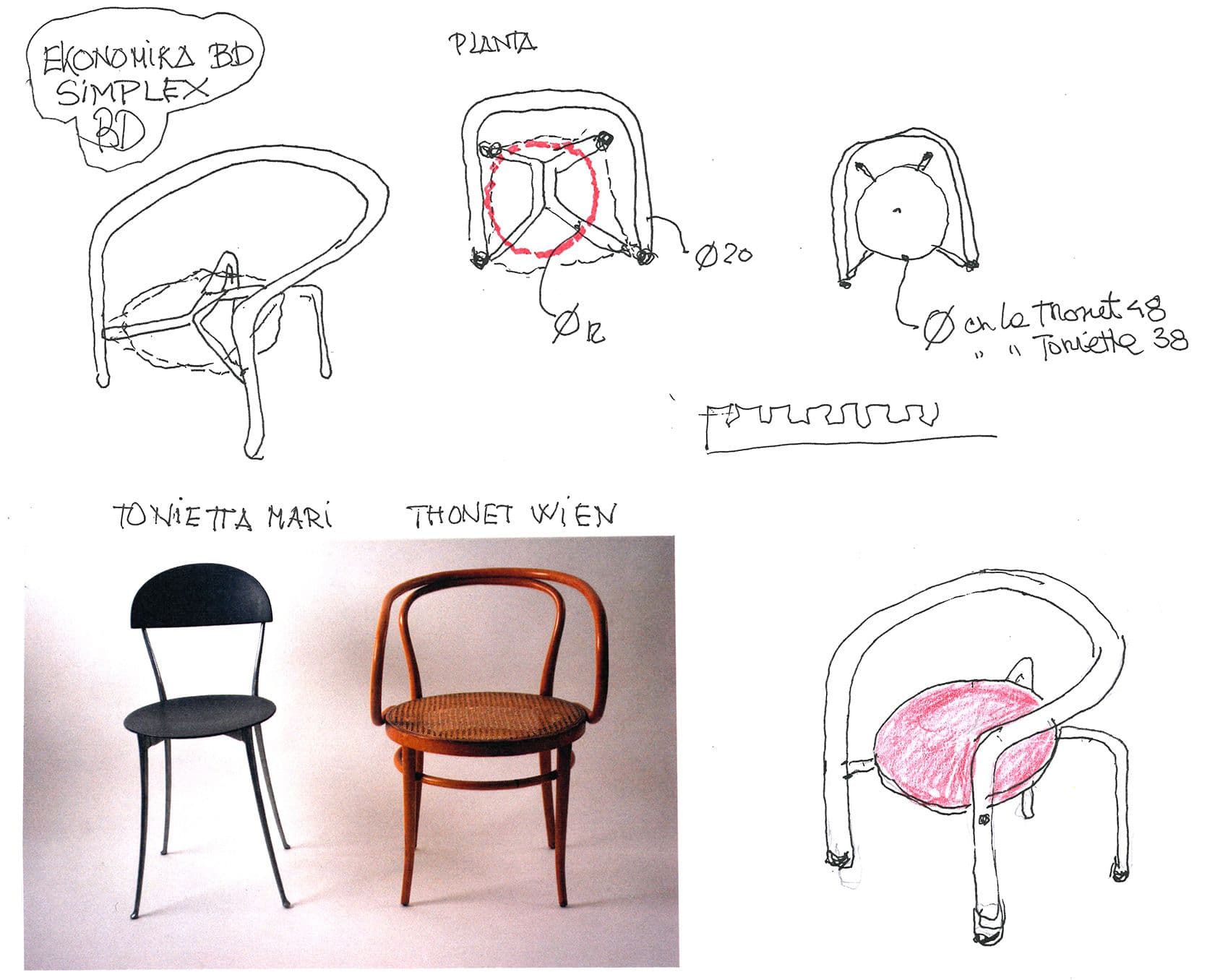
“La silla es el mueble más difícil de diseñar...Tiene más solicitaciones y al mismo tiempo es el mueble que define un estilo.”
(A chair is the most difficult piece of furniture to design. It has to respond to more demands than almost any other object, yet at the same time, is often the piece that defines a style.)
For Tusquets, the challenge lies in the number of demands placed on a chair. It must be structurally sound, comfortable to sit in, durable enough for everyday use and capable of defining the character of a space. Simplex was no exception. Reconciling all of these demands while reducing the chair to its bare essentials became the central challenge of the project.
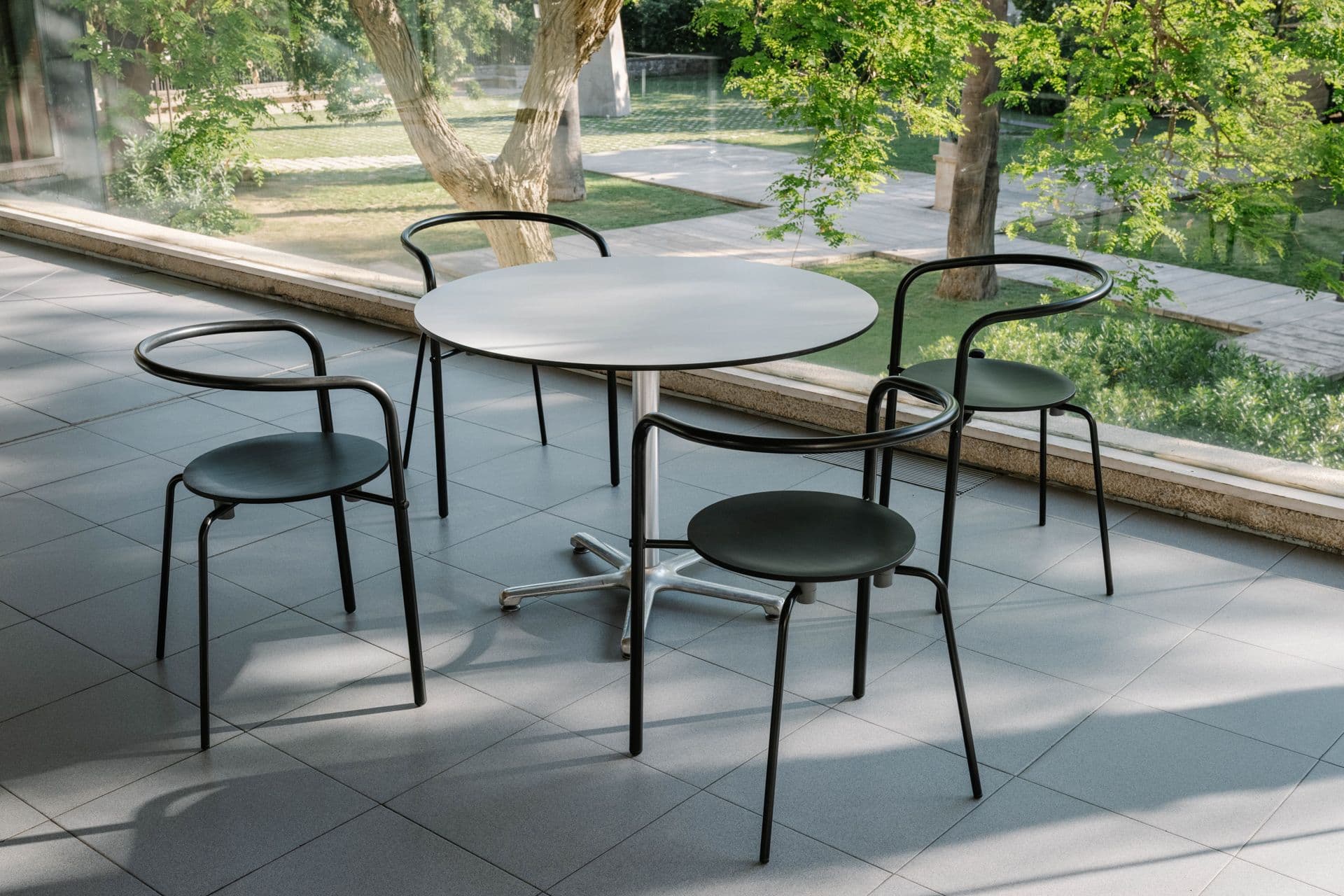
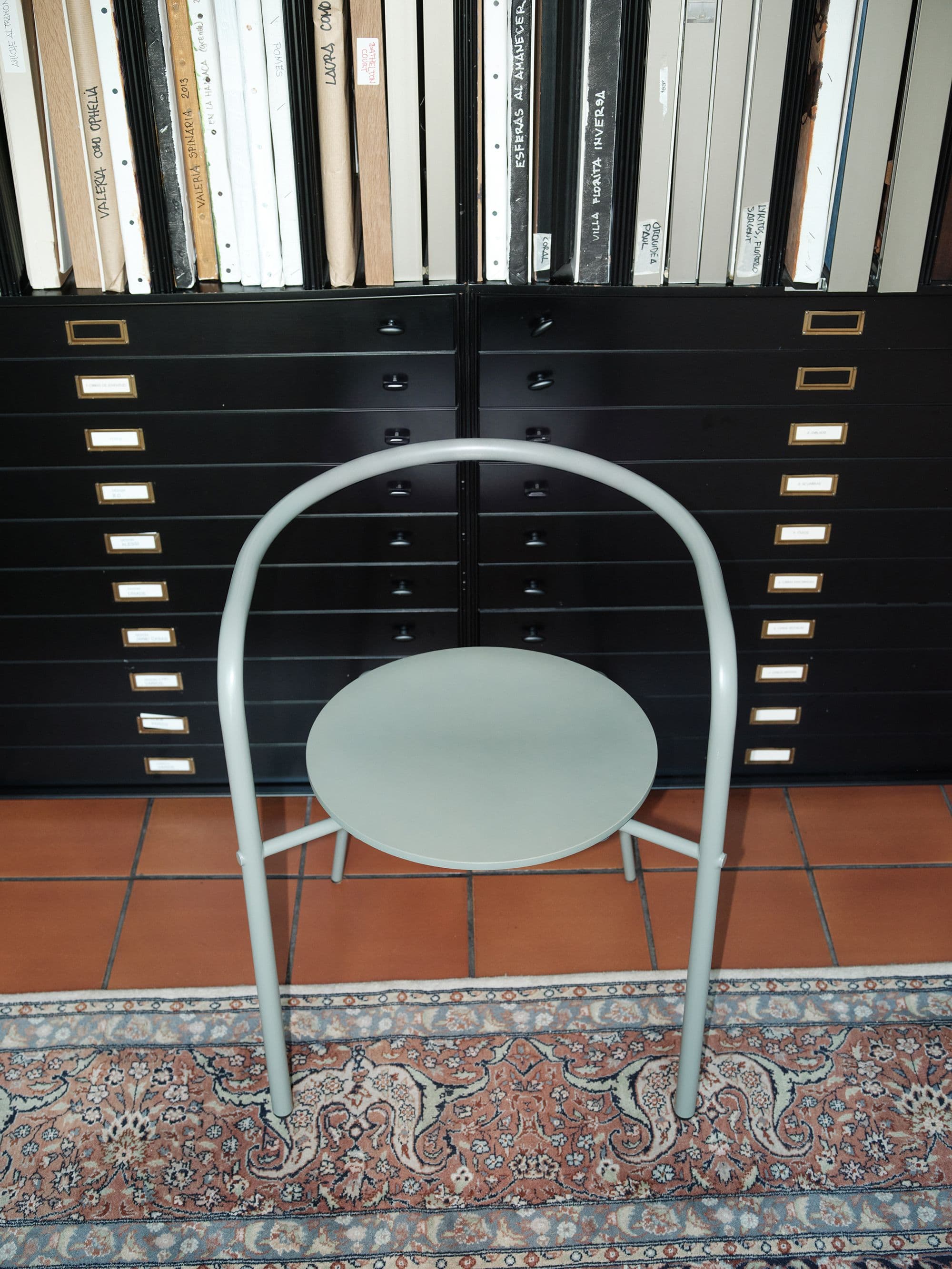
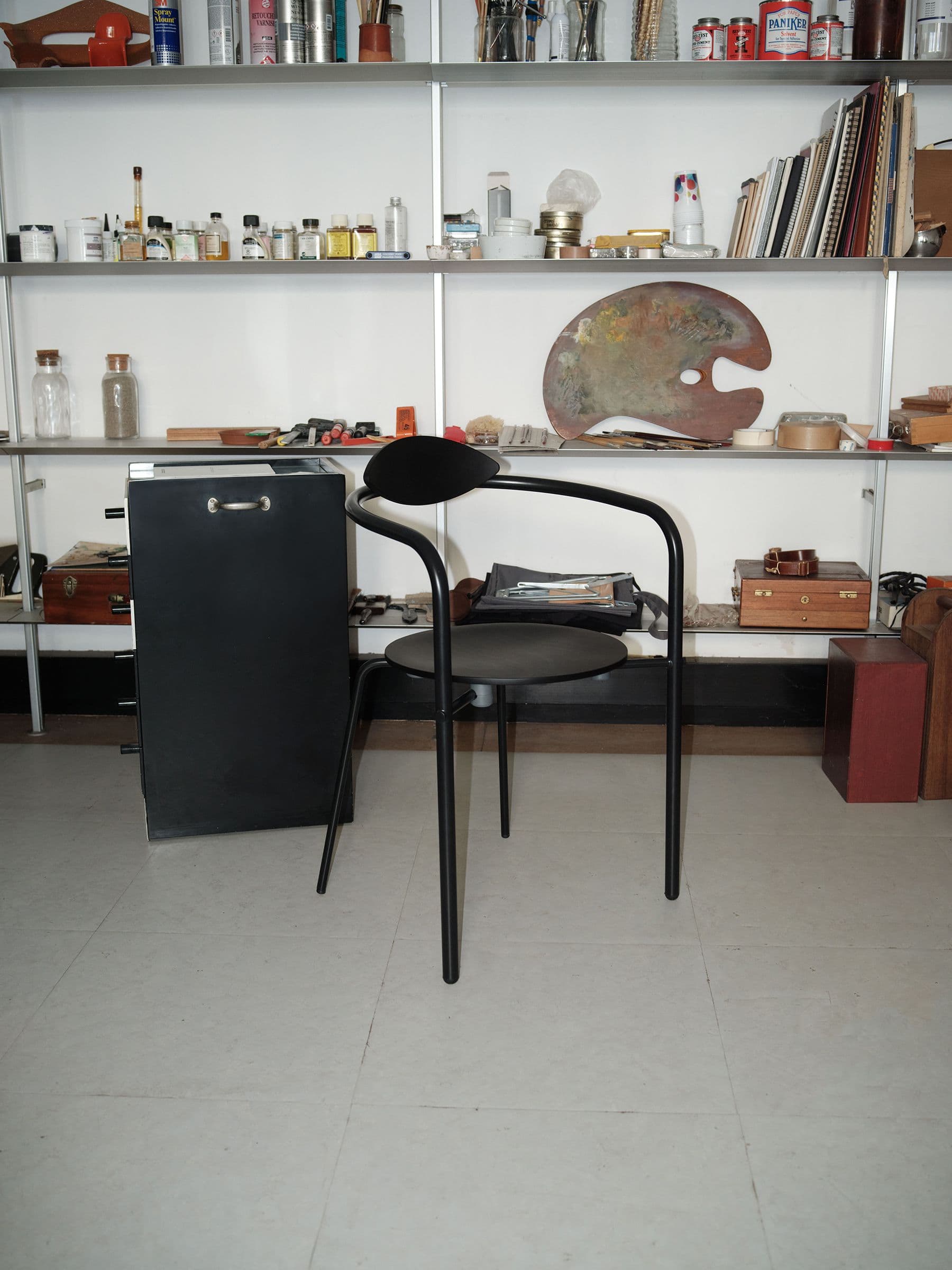
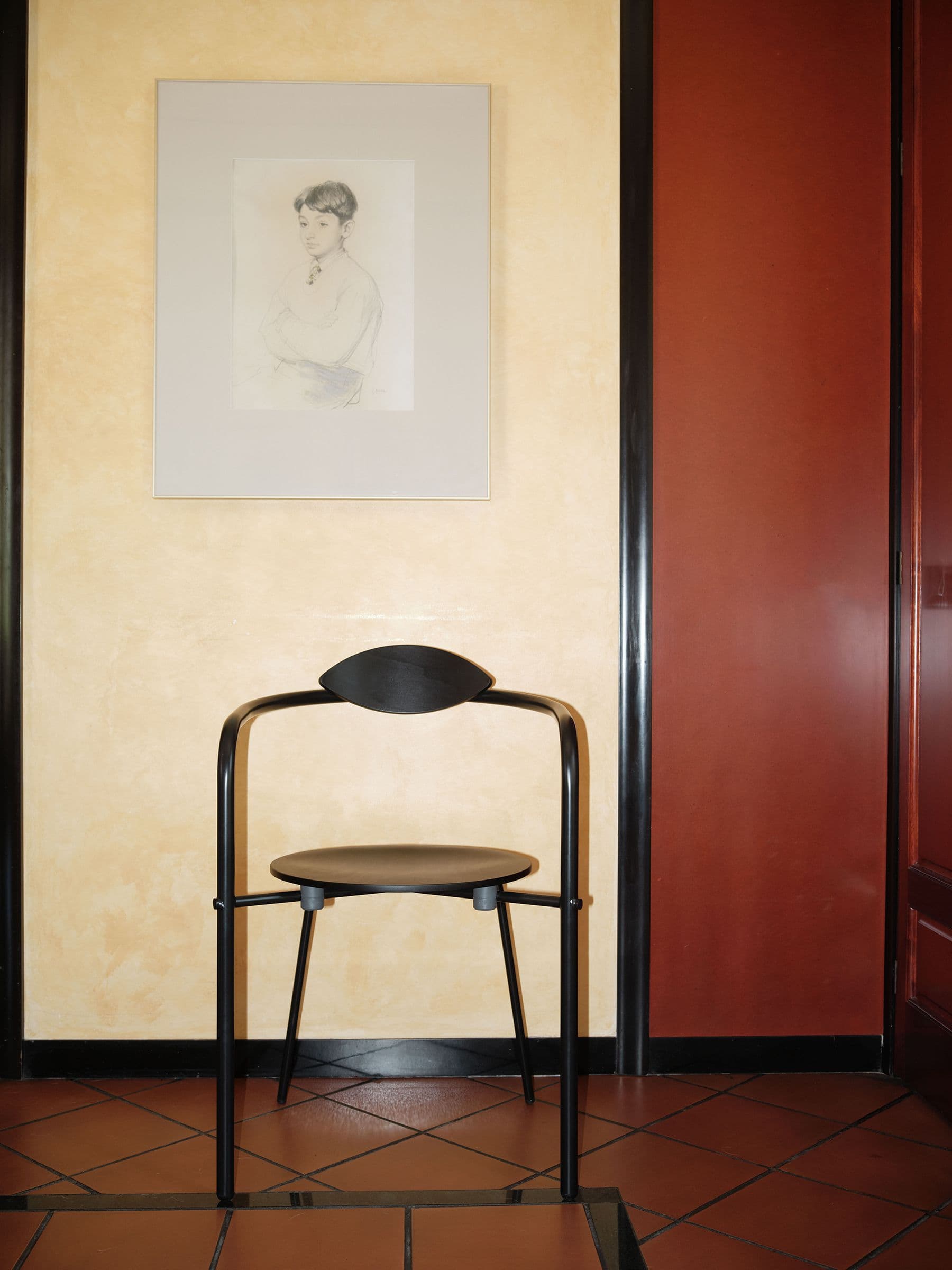
The result is a chair composed of remarkably few elements: a continuous steel tubular structure, a circular seat, and a precise system of connections. Its slender rear legs and suspended backrest create an unusual sense of lightness, making the structure appear almost weightless. Yet, achieving that lightness required extensive engineering. Reduced to only a handful of components, every connection became critical to the chair's performance.
One of the most complex parts of the process was resolving the chair's structural joints while preserving its visual lightness. Rather than hiding the welds, Tusquets chose to leave them visible, allowing the construction itself to become part of the chair's expression.
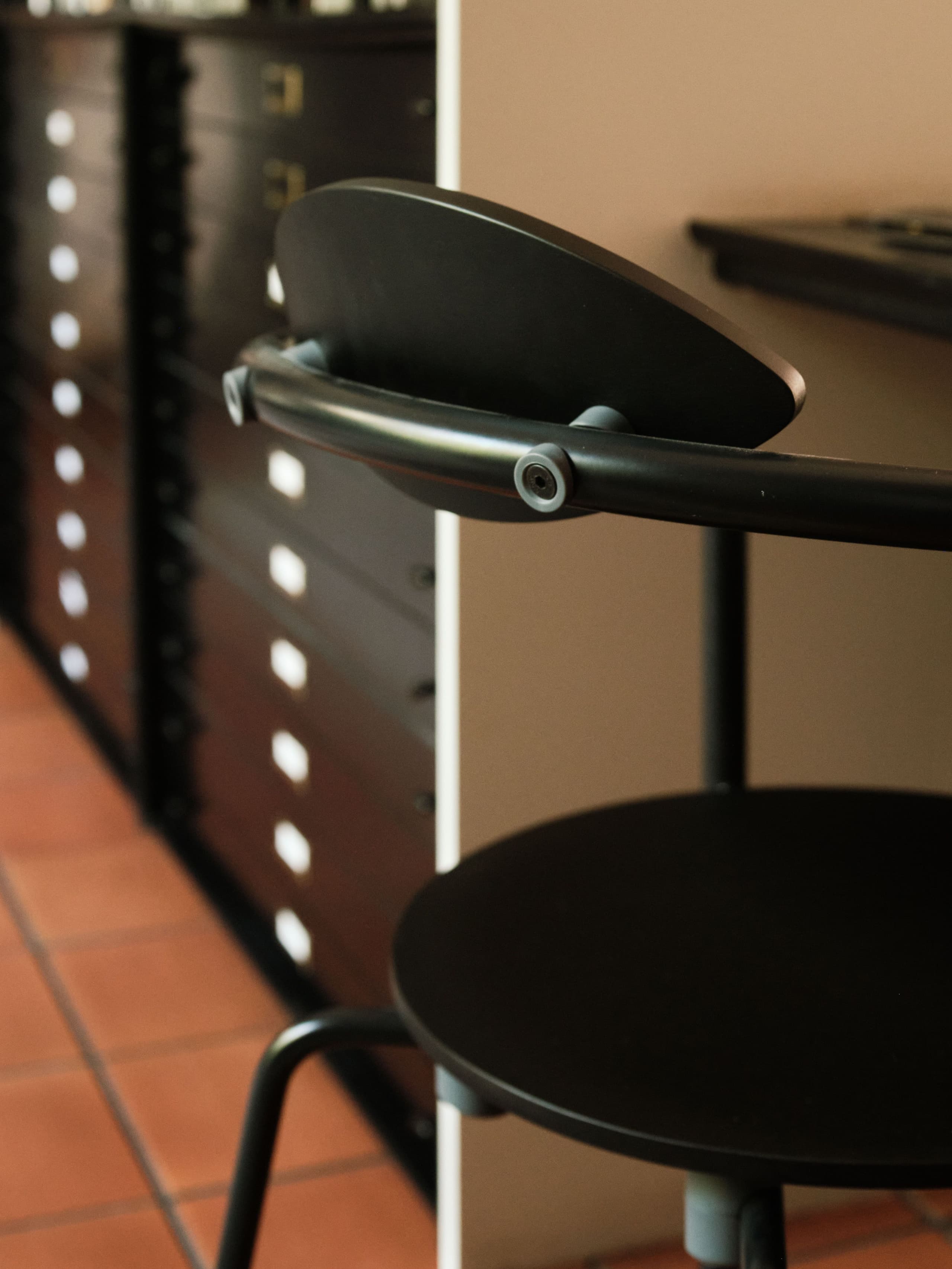
“Este nudo es el importante. A mí me divirtió que en este caso se hiciera evidente.”
(This joint was critical. Instead of hiding the connection, I enjoyed making it visible.)
Yet all of this engineering served a larger ambition: creating a chair that was as practical as it was visually light. Tusquets imagined a chair that could move easily between cafés, terraces, hotels, restaurants and homes. In that context, stackability quickly became a non-negotiable requirement.
The chair not only needed to stack, but to do so efficiently, occupying as little height as possible and without damaging the chairs beneath it. Unlike many stackable chairs, Simplex avoids visual heaviness. Space flows between the seat and suspended backrest giving the chair an almost transparent presence, whether around a table or stacked together.