Rasters Collection

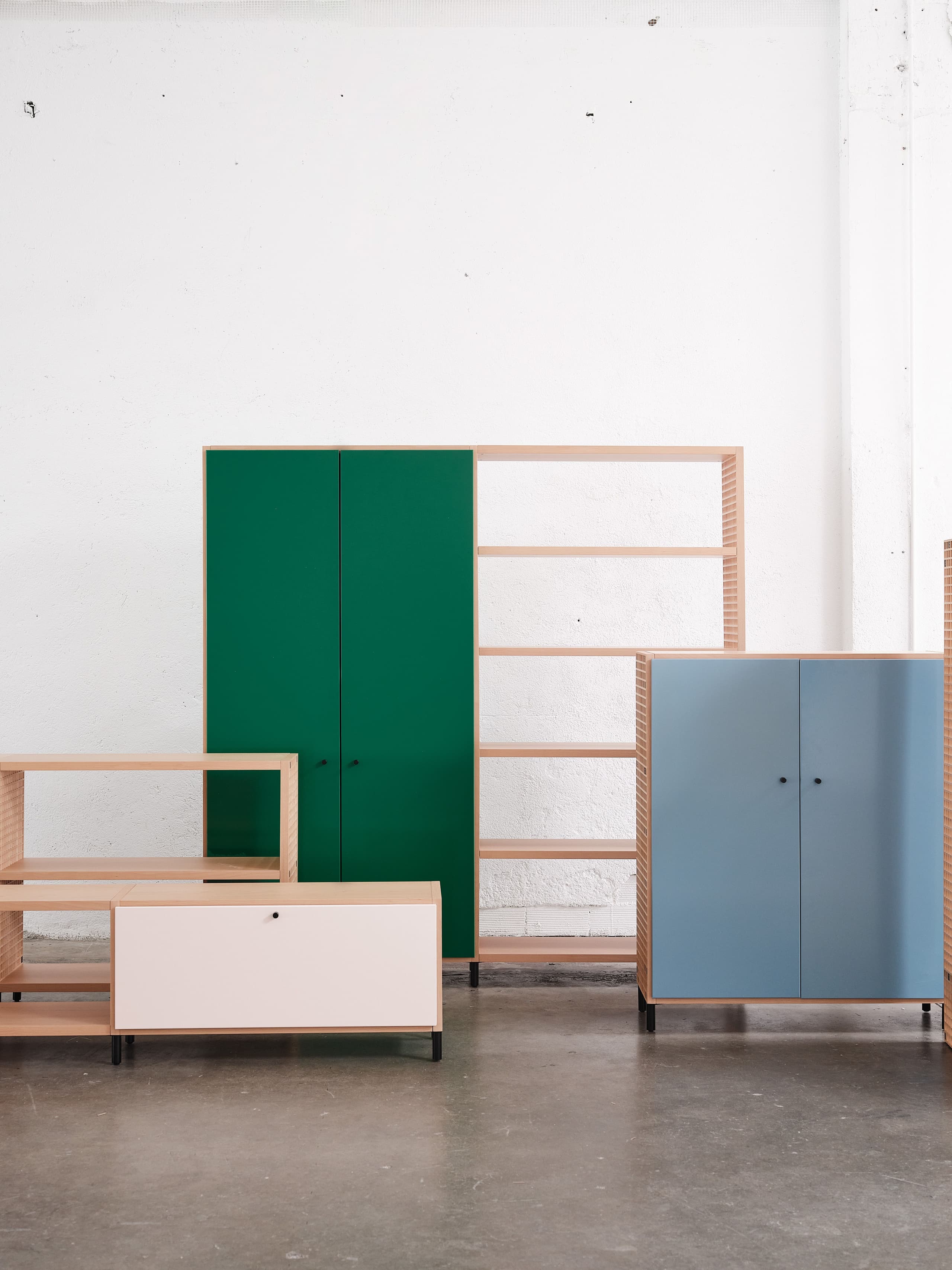
A modular furniture system built around the architectural grid, where order, proportion and openness shape the room.
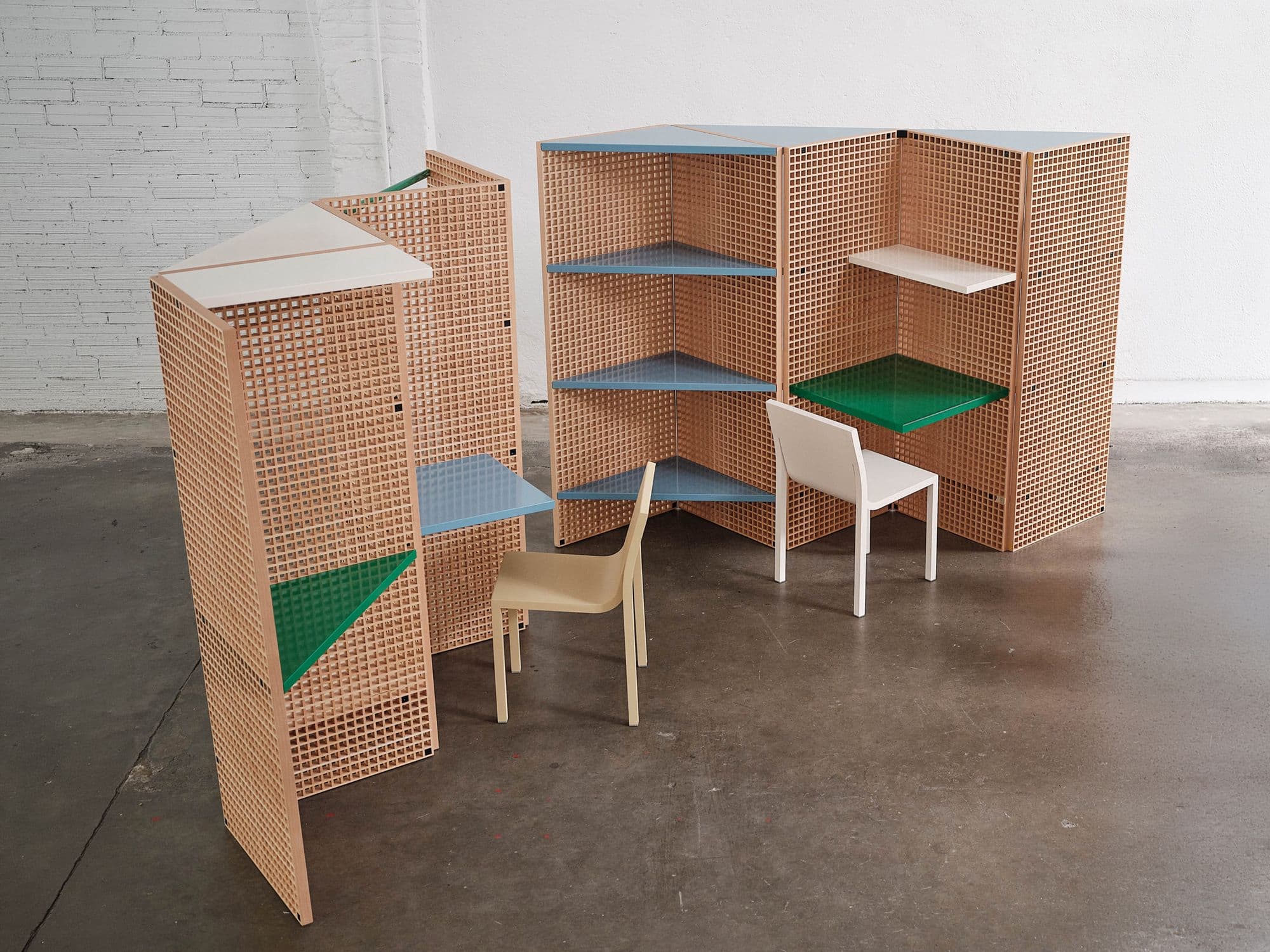
Originally conceived for Bottega Veneta’s new headquarters in Milan, RASTERS translates an industrial grid into a family of cabinets and paravents. What began as a site-specific project evolved into a versatile system for domestic, professional and hybrid spaces.
Born from a long-standing creative dialogue between two studios, RASTERS resists easy categorisation, existing somewhere between furniture and architecture. Hannes Van Severen describes it as “small architecture.”
“That’s exactly what makes it interesting. It’s not one or the other. You've got different surfaces and accessories you can use in very different ways.” — Kersten Geers


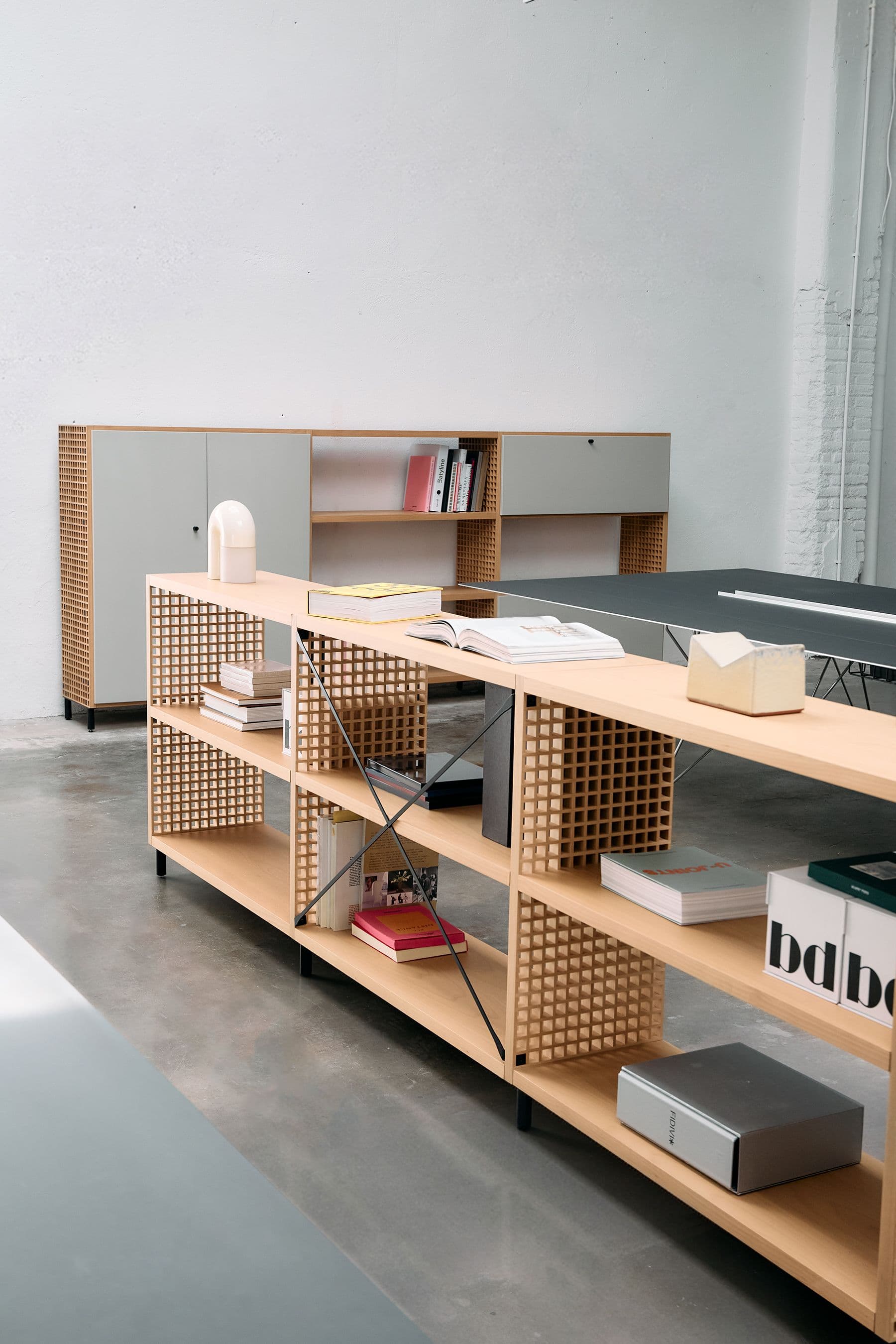




As a tool long used by architects to establish order, proportion and rhythm in space, the grid occupies a central position within RASTERS. In conversation, the designers explained that grids have long been present in the work of both OFFICE and Muller Van Severen. The form had been, in Kersten’s words, “hovering in our heads for years,” making it a natural point of departure for the collaboration. But the project truly took shape when the original industrial grid was translated into wood.
“By finding it as a wooden grid we were able to appropriate it... It wasn’t anymore an industrial, found object, but something that we tailor made...We were able to decide the size of the grid, the depth, and the way it connected.” — Kersten Geers

RASTERS begins with a simple grid, but its identity is defined by the way its planes connect. As Kersten notes, “what really made the project were the connectors.” More than a technical detail, they establish a defined logic for the system: how surfaces meet, extend and open.
Within each paravent or cabinet, the grid’s openings are not incidental. In a very poetic sense, they are “activated through function” (as explained by Fien Muller). Shelves, hanging rails, and tables populate the grid’s openings, allowing the system to remain deliberately unresolved. As David Van Severen puts it, “the void becomes the real project.
This way, the system’s openness allows for it to continuously shift in use and meaning. A shelving unit becomes a space divider. A divider becomes a workspace. The same grid can hold different accessories for different needs.